Toxic food for dogs and cats: list, symptoms and prevention
CONTENT :
-The 15 most toxic foods and substances for dogs and cats
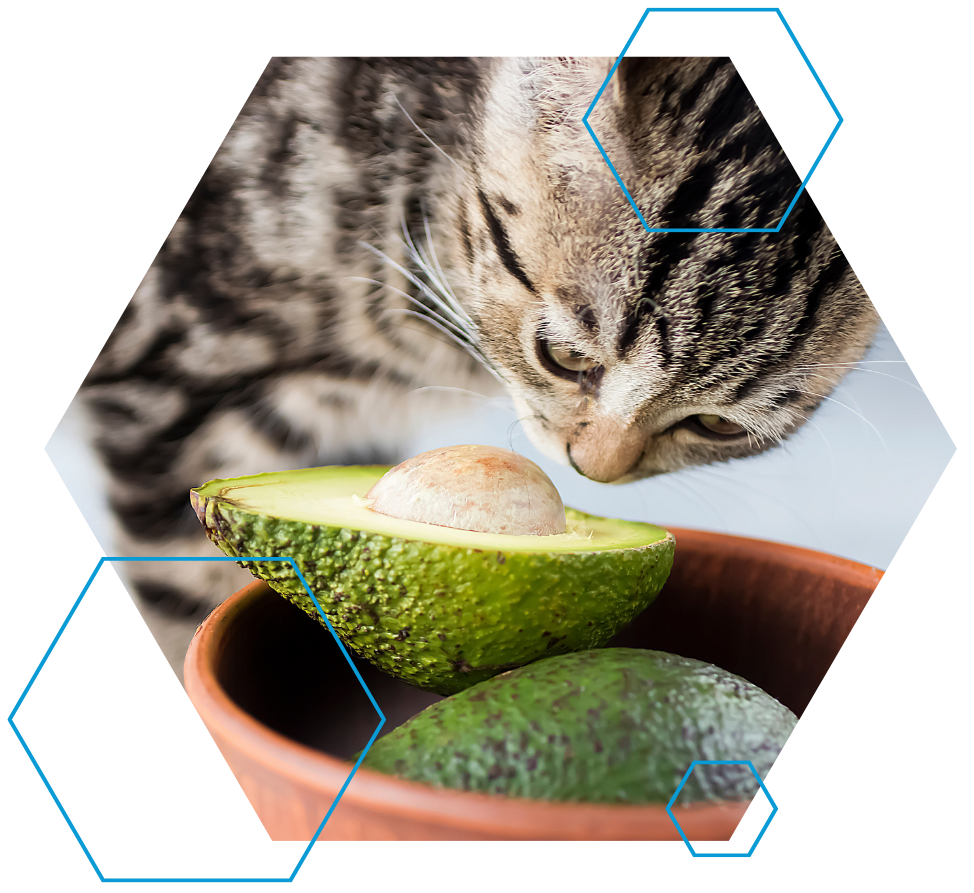
Two squares of dark chocolate can be enough to put your dog in danger. Some products that seem harmless can cause serious, sometimes fatal, problems in dogs and cats. Which substances and foods are toxic for dogs and cats? What effects do they have on our pets? Francodex encourages you to keep the list of the 10 most toxic foods for cats and dogs to hand.
The 15 most toxic foods and substances for dogs and cats
Some foods that are harmless to humans are really poisonous for our pets. Here’s a list of the main foods you must not give your pet.
If your pet develops symptoms or ingests one of these foods, contact your vet: preventive measures or appropriate treatment must be put in place as soon as possible to avoid serious or even fatal complication.
1. Chocolate
Chocolate contains theobromine, a compound that dogs and cats eliminate very slowly.
The darker the chocolate, the more theobromine it contains, and the more dangerous it is. A 10 kg dog can be poisoned by eating 30 grams of 70% dark chocolate, which is only about 3 squares.
Symptoms of intoxication are dose-dependent and may be:
- Digestive problems: vomiting, diarrhoea, stomach ache
- Nervous disorders: abnormal agitation, trembling, convulsions;
- Heart problems: increased heart rate, arrhythmias and even cardiac arrest.
Chocolate poisoning can take up to 10 hours to cause symptoms in your pet. If in doubt, don’t wait, call your vet so that they can assess the risk and give you the right advice.
In cats, poisoning is less frequent, as they are naturally less attracted by sweet flavours, but it can still happen and is just as serious. Chocolate is also toxic to rabbits, guinea pigs, small rodents and birds.
🐾 Harmless to humans and toxic to dogs and cats: dogs and cats do not metabolise substances in the same way as humans. This is because their liver is not equipped to neutralise certain compounds.
2. Coffee, tea and energy drinks
Caffeine and theine are powerful stimulants to the central nervous system. A spilt cup or a poorly closed can would be enough to poison a dog or cat.
Clinical signs appear within 2 hours and include:
- Digestive problems: vomiting, diarrhoea, stomach ache
- Nervous disorders: abnormal agitation, trembling or even convulsions
- Heart problems: increased heart rate, arrhythmias and even cardiac arrest.
Such drinks must therefore be kept strictly out of their reach. Energy drinks contain the highest concentration of caffeine. They are therefore the most toxic for our pets.
3. Grapes and raisins
In dogs, less than a handful of grapes or raisins can cause fatal acute renal failure. Raisins are more concentrated than fresh grapes, so they are more toxic.
The exact mechanism remains unknown, the toxic dose is unknown, some dogs are more sensitive than others, but the effect is sufficiently well documented and serious to justify a total ban.
Symptoms can take up to 24 hours to appear:
- Digestive problems: vomiting, diarrhoea, stomach ache
- Fatigue and lethargy
- Kidney problems: cessation of urine production, blood in the urine.
In cats, no cases have been described at the time of writing, but caution is still needed.
4. Artificial sweeteners (xylitol)
Xylitol is a sweetener used in chewing gum, sugar-free sweets, some diet products and medications for humans, and toothpaste.
In dogs, it triggers a massive release of insulin, leading to sudden hypoglycaemia, which can be fatal. This can happen within 30 minutes of ingestion.
Signs appear quickly and include:
- Vomiting;
- Weakness and lethargy, even a coma
- Trembling, loss of coordination
- Convulsions
Based on current knowledge, it appears that cats are not sensitive to Xylitol.
5. Garlic, onions, chives and leeks (alliaceae family)
These plants from the alliaceae family are toxic to cats and dogs, even when cooked or dehydrated.
They destroy red blood cells, leading to haemolytic anaemia.
Symptoms may appear several days after ingestion:
- Digestive problems: vomiting, diarrhoea
- Fatigue and prostration
- Pale gums
- Increased heart rate and breathing
- Dark urine.
Onions are the most concentrated of the alliaceae family in terms of compounds that are toxic to pets. For dogs and cats, a toxic dose of onion varies according to the individual and ranges from 5 to 30g/kg. Dogs belonging to what are known as “primitive” breeds, such as Akita Inu and Shiba Inu, are more sensitive to onion poisoning, and a lower dose can poison them.
In the kitchen, watch out for confit garlic and roast or grilled onions, which smell very appetising because of the added oil.
Quality treats for your dog or cat
6. Macadamia nuts
Dogs are particularly sensitive to macadamia nuts. If one macadamia nut weighs 4g, 2 nuts could be enough to poison a 10kg dog.
Even the slightest ingestion can cause neuromuscular disorders:
- Digestive problems: vomiting, diarrhoea, stomach ache
- Weakness and lethargy
- Trembling, loss of coordination
- Pale gums
- Joint pain and difficulty moving around
- Fever
Symptoms generally appear within 12-24 hours and can last up to two days.
This toxicity has not been demonstrated in cats.
7. Mushrooms and fungi
Not all mushrooms are toxic for dogs and cats, but it is difficult to differentiate between species that are edible and those that are dangerous for your pet.
Some cause mild but painful digestive problems (intense stomach pains, vomiting and diarrhoea), while others cause fatal liver or neurological damage.
If swallowed, consult a vet as a matter of urgency, even if there are no immediate symptoms. Deadly fungi produce symptoms that don’t appear for more than 6 hours. So, if you have any doubts, it’s important to call your vet before you see any symptoms, so that you can put the right treatment in place and save your dog’s life.
8. Cooked bones
Not chemically toxic, but physically dangerous, cooked chicken and rabbit bones are very brittle. They can shatter into sharp fragments in the digestive tract, causing perforation, obstruction or internal haemorrhage.
If you give your dog bones to chew on, only give them raw ones, under supervision and with the approval of your vet.
Excessive consumption of raw bones can also cause digestive problems (stomach upsets, constipation), so remember to give raw bones in reasonable quantities!
Avoid hollow bones that have been cut (such as marrow bones), as your dog could get its jaw stuck in the middle of the bone. It would then need to be anaesthetised to remove the trapped bone.
9. Salt
Excessive salt consumption can lead to serious electrolyte imbalance in dogs and cats. Salt poisoning can occur outdoors (road salt, salt in seaside water) or at home.
It is important you never try to make your pet vomit with salt: if the animal does not vomit all the salt it has eaten, it runs the risk of salt poisoning, which can be fatal. If your pet needs to vomit, you should discuss this with your vet so that an appropriate treatment can be put in place to avoid risking your pet’s life.
In the event of salt poisoning, the following symptoms are observed within a few hours:
- Intense thirst, then refusal to drink
- Digestive problems: salivation, vomiting, stomach ache, diarrhoea or constipation
- Urinary disorders
- Agitation or prostration, abnormal behaviour
- Increased heart rate and breathing
- Trembling, convulsions or coma followed by death in the most serious cases.
In the kitchen or out and about: beware of all the different sources of salt. In dogs, the toxic dose starts at 2g/kg, i.e. 20g of salt for a dog weighing 10kg, or 4 teaspoons.
10. Alcohol and raw dough containing yeast
When an animal swallows raw leavened dough, the yeast continues to ferment in its stomach. This leads to painful gastric dilatation and sometimes volvulus (GDV), especially in large-breed dogs.
Fermentation also releases ethanol, which causes alcohol poisoning, with impaired balance, vomiting and central nervous system depression.
Similarly, alcohol can cause severe poisoning, with the risk of coma in the most serious cases.
Fermented dough should be outlawed, as should alcoholic desserts and any leftovers from meals in general.
11. Avocados
Avocados contain a toxin called persin, which is present in the flesh, pit and above all the skin.
Dogs and cats may develop gastrointestinal problems after ingestion, or even heart problems if they eat a lot of avocado skin. If swallowed in large chunks or whole, the stone might get stuck in the digestive tract.
For birds and small mammals, any piece of avocado flesh, skin or stone could be fatal. These creatures are very sensitive to persin and a very small quantity can cause respiratory problems and cardiac arrest.
Avocados are particularly dangerous for birds and rodents, but nevertheless they are not recommended for domestic carnivores.
12. Fatty and sugary foods
Fatty table scraps (sausages, cheese, fried foods) can cause acute pancreatitis in dogs. It is a painful and potentially fatal inflammation of the pancreas.
Sugar also promotes obesity and diabetes.
When an animal eats table scraps it’s not used to, there is a risk of digestive problems: stomach upsets, diarrhoea or vomiting.
⚠️ Don’t feed leftovers to your pets! Your companion should be fed a balanced diet and treats that suit its digestive system.
Are there any other foods that are toxic for cats and dogs? We might also mention raw potatoes and aubergines as they contain solanin, which is toxic to cats and dogs. Dairy products are not toxic, but they are indigestible for pets because of the lactose they contain.
Contrary to popular belief, it is not the walnut kernels themselves that are toxic to dogs, but the mould that can develop around them. Watch out for rotting food scraps on compost heaps, for example, as the mould that develops there can be fatal.
13. Medicines for humans
A paracetamol, ibuprofen or aspirin tablet can be fatal to your pet.
Cats are extremely sensitive to paracetamol, which causes methaemoglobinaemia (reduced blood oxygenation) and serious liver damage.
⚠️ No human medicine should ever be administered to an animal without a veterinary prescription!
14. Common poisonous plants in the home
Lilies, dieffenbachia, ficus, philodendron and poinsettia can cause mouth irritation, hypersalivation and vomiting.
Lilies are highly toxic for cats, as a single stamen can cause acute renal failure. The whole plant is toxic, even the water in the vase can be fatal to cats.
Keep your indoor plants out of reach and make your outdoor plants safe.
15. Household products and cosmetics
Even if they are ecological or natural, some products contain irritants or dangerous solvents. Some compounds are toxic to cats but not to dogs, such as permethrin in insect repellent sprays.
Animals can be poisoned by licking a cleaned surface or by lapping the product.
Store detergents, cleaners, essential oils and cosmetics carefully. Use the right products for your pets. Be particularly careful with antifreeze, which can be palatable to them because it tastes sweet - but is fatal if swallowed.
How to react to poisoning: if you think your dog or cat has ingested a toxic food or substance, do not try to make them vomit without seeking medical advice. Some toxic substances should not be vomited, as this can worsen the effect of the toxic substance.
Remove your pet from the source of the danger, keep the packaging of the suspect product (if available) and contact your vet immediately so that your dog or cat can receive appropriate treatment. First aid for a poisoned dog or cat is limited to these good practices.
How can I prevent any risk of poisoning at home?
A few good habits can prevent cats and dogs from ingesting toxic food:
- Always store human food out of reach of your pet - this means not on worktops or tables.
- Don’t leave leftovers, wrappers or drinks lying around.
- Ensure your medications are not accessible to your pets
- Always read the labels on cosmetic products carefully (xylitol, permethrin, etc.) and keep them out of reach.
- Check that your houseplants are not toxic to animals.
- Tell your children and guests about the risks associated with certain foods.
- If in doubt, ask your vet for advice.
The 10 most toxic foods for dogs and cats
Certain foods are a major danger because of their high toxicity, but also because they are easily accessible in the home.
Here are the ten most risky substances, which must be kept well away from your pets’ diet!
|
Food |
Toxic for dogs |
Toxic for cats |
| Chocolate |
❌❌ |
|
| Raisins |
❌❌❌ |
? |
| Xylitol |
❌❌ |
Not sensitive |
| Garlic/Onion |
❌❌ |
|
| Coffee/Caffeine |
❌ |
|
| Raw dough, alcohol |
❌ |
|
| Macadamia nuts |
❌ |
? |
| Mushrooms and fungi |
❌❌❌ |
|
| Avocados |
❌ |
|
| Salt |
❌❌ |
|
Safe treats for your dog or cat