Digestive disorders in dogs: causes, symptoms and treatment
CONTENT :
- What different types of digestive disorders do dogs get?
- What are the symptoms of digestive infection in dogs?
- What factors can cause abdominal pain, diarrhoea or vomiting in dogs?
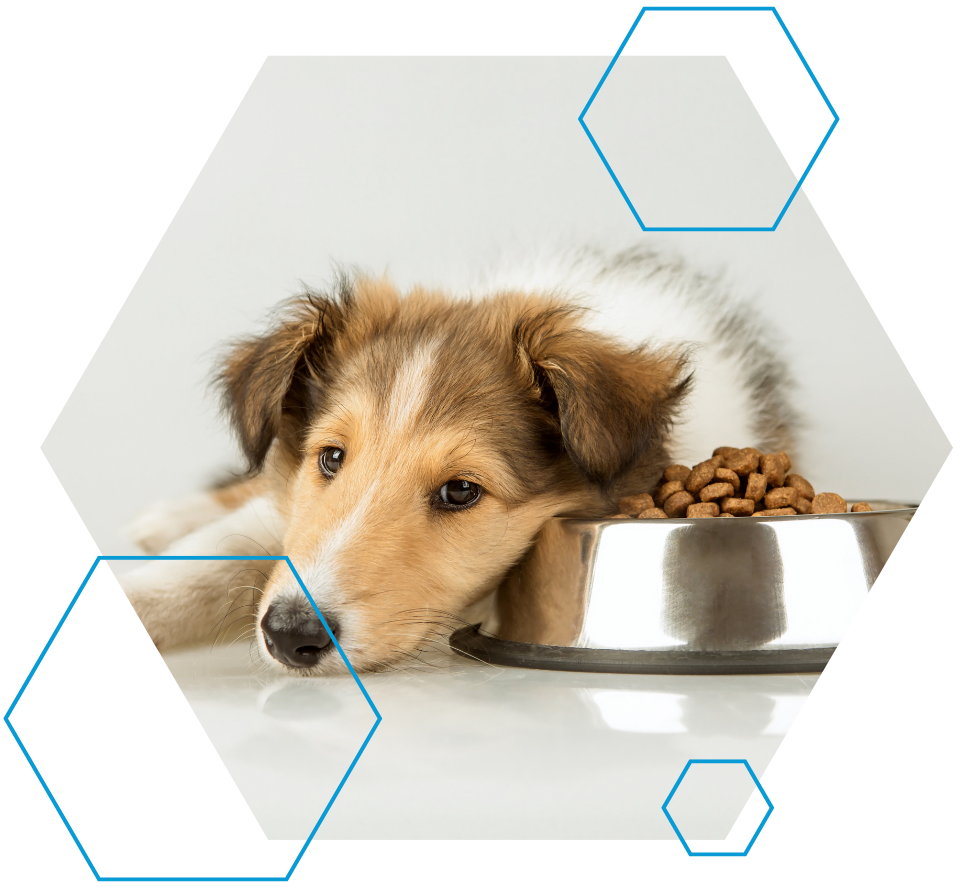
A dog’s digestive system plays a central role in its general health. If it’s disrupted, symptoms like vomiting, diarrhoea or bloating may appear. Stress, parasites or an unsuitable diet are often the cause of digestive problems in dogs. Here Francodex helps you spot the warning signs and adopt the right practices to soothe and improve your pet’s digestion, with a particular focus on food quality and regular worming.
What different types of digestive disorders do dogs get?
The canine digestive system is complex, extending from the mouth to the anus, via the stomach, intestines, liver and pancreas. A disturbance at any level can lead to digestive problems of varying severity. Vets generally classify them according to the part of the body involved and the nature of the symptoms.
Gastric disorders
Digestive disorders of gastric origin affect the stomach.
A dog might then:
- vomit;
- feel sick;
- lose their appetite;
- show signs of abdominal pain.
Gastritis, eating a food that upsets its stomach, and gastric ulcers are the most common causes.
Intestinal disorders
Digestive disorders of intestinal origin often result in acute or chronic diarrhoea, sometimes with blood or mucus in the stool.
Intestinal disorders in dogs can be caused by:
- inflammation;
- infection;
- imbalance in the intestinal microbiota.
Digestive parasites
Intestinal worms, such as roundworms or tapeworms, often cause diarrhoea, weight loss and vomiting.
Regularly worming your dog helps combat infestation by internal parasites. Ask your vet for advice on the most suitable medication to administer and how often it should be done.
As a general rule, an adult dog should be wormed every three months, i.e. four times a year.
This frequency can vary depending on:
- lifestyle (town or country);
- the animal’s proximity to children;
- access to outside and prey;
- its external anti-parasite treatments (dipylidium and fleas).
Even if there are no visible symptoms, parasitic infestations can disrupt your pet’s digestive comfort.
Other specific digestive disorders
Some longer-lasting digestive problems can affect your dog’s digestion and are symptoms of other illnesses that need to be treated:
- exocrine pancreatic insufficiency (EPI), which leads to poor digestion of fats;
- liver disease;
- food intolerances or allergies;
- inflammatory bowel disease (IBD).
These digestive disorders need to be closely monitored by a vet and nutrition must be managed appropriately.
Dog breeds with fragile digestive systems: some breeds are more prone to digestive problems. These include Yorkies, French Bulldogs, German Shepherds, Shih Tzus and Boxers. This sensitivity may be genetic or linked to unstable intestinal flora. A highly digestible diet, probiotics and a worming regime as recommended by your vet will help ensure your pet’s digestive comfort.
What are the symptoms of digestive infection in dogs?
Digestive problems in dogs present in ways that can be more visible and alarming or less so.
By observing your pet’s behaviour and stools, you can spot an imbalance right from the first few hours.
From least worrying to most alarming, here are the main symptoms of an infection or digestive disorder in dogs that you should watch out for:
- frequent, foul-smelling gas;
- loose, very smelly or abnormally coloured stools;
- diarrhoea, with or without mucus or blood, once or one or more occasions;
- excessive salivation or nausea;
- occasional or repeated vomiting;
- bloating, flatulence or a tense abdomen;
- audible stomach rumbling;
- excessive licking of the ground or its own flanks;
- loss of appetite or refusal to eat;
- rapid, unexplained weight loss;
- unusual tiredness, listlessness;
- fever in certain severe infections.
Just one of these signs is not always serious in itself. It all depends on how long it lasts. But if they are repeated, intense, or there are more than one, you should take them seriously.
It’s best to seek advice if symptoms such as diarrhoea or vomiting persist for more than 24 to 48 hours, and your pet seems dejected and doesn’t show any interest in its food bowl (even if you add a treat or two!). In the case of bloat, also known as gastric torsion, or GDV (Gastric Dilation Volvulus), a dog may present with a hard, swollen stomach, combined with unsuccessful attempts to vomit. This is a life-threatening emergency. If you have the slightest suspicion of this, consult your vet as soon as possible.
What factors can cause abdominal pain, diarrhoea or vomiting in dogs?
Digestive problems in dogs don’t just happen by chance. Several factors, sometimes combined, can affect your pet’s digestion and trigger abdominal pain, vomiting or diarrhoea.
One of the most common causes is an unsuitable diet:
- sudden change of dry dog food;
- poor quality food;
- table scraps;
- ingestion of fatty, toxic or forbidden foods (chocolate, onions, etc.);
- ingestions of “things” found in the street or the park that are not food;
- gastric torsion.
These dietary mistakes irritate the digestive mucosa. You need to avoid them as much as you can!
Stress can also upset your pet’s digestion. A house move, the arrival of a new pet, or a prolonged separation, can all impact your pet’s digestive system significantly.
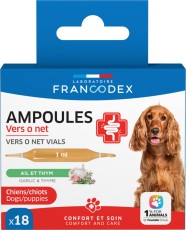
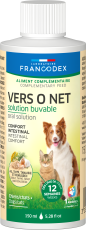
In times of stress, Vers o Net ampoules support your pet’s intestinal comfort and the growth of its natural digestive flora. This product is also available as Vers o Net drinkable solution, which is added to their drinking water, or as Vers O Net tablets to boost their natural defences.
-
Intestinal Comfort Vials
Product info
Intestinal Comfort Vials
Discover the product sheet " Intestinal Comfort Vials ".
-
Vers O Net Oral Solution
Product info
Vers O Net Oral Solution
Discover the product sheet " Vers O Net Oral Solution ".
Last but not least, as we have seen, intestinal parasites and other illnesses which need to be monitored and treated can cause digestive problems in your dog.
Faced with such a wide range of causes, only careful observation and a veterinary diagnosis can determine the right treatment to soothe your dog as quickly as possible.
When should a vet be consulted about digestive problems?
A mild digestive disorder can be resolved in 24 to 48 hours with a reduced diet and plenty of rest. If symptoms persist, worsen or are accompanied by worrying signs (repeated vomiting, blood in the stools, fatigue, dehydration, weight loss, listlessness), veterinary advice should be sought. Puppies, elderly or delicate dogs should be closely supervised. Consult your doctor within the first 12 hours after the onset of symptoms.
How do you treat a digestive disorder in a dog?
Treating a digestive disorder in dogs requires action on several fronts: diet, veterinary care and gradual recovery. The aim is to provide rapid relief for your pet whilst promoting lasting recovery.
Diet
At the first signs of digestive problems in your dog, introduce a 12- to 24-hour fast (except for puppies or frail dogs). Just give them a bowl of fresh, clean water.
Next, when they start eating again, give them easily digestible foods that you can cook at home:
- well-cooked rice without any seasoning (40-45% of the ration);
- chicken breast boiled in water without salt (40-45% of their ration);
- squash, carrot or sweet potato (10-20% of the ration);
- gastrointestinal veterinary wet dog food.
This is just temporary, as the diet is not balanced, but it is essential when there are digestive issues.
Specific fibre-rich or hydrolysed kibbles may be prescribed for chronic conditions. Do not change your pet’s dry food without veterinary advice if it’s suffering from digestive problems!
Veterinary treatment
Depending on the type of digestive disorder, the vet will prescribe:
- an antiemetic;
- an anti-diarrhoea medication;
- a stomach soother.
In the event of severe dehydration, an infusion may be necessary.
Depending on the cause of the symptoms, treatment may involve medication at home, hospitalisation or even surgery.
If a parasite infestation is detected, your pet will be wormed immediately to help its body eliminate the parasites.
Once symptoms have disappeared
Even after improvement, the digestive system remains fragile. Continue with a highly digestible food for several days, as recommended by your vet.
On medical advice, you can add a natural intestinal supplement in the form of a paste administered orally by syringe or a paste in a tube, to rebalance the intestinal flora and prevent any relapse.
How can digestive problems be prevented in dogs?
Prevention is always better than cure, especially when it comes to your dog’s digestive health, especially if they’re naturally delicate:
- opt for a balanced, consistent diet, suited to your pet’s age, breed and general health;
- avoid sudden changes of dry food, and table scraps, which are often too fatty, irritating or even toxic;
- worm your pet;
- limit any stress your pet may feel by providing their meals in calm surroundings;
- monitor your pet’s stools and appetite.
Never feed them just before a walk, a play session or exercise. With these few good practices, your dog’s digestive health should settle.
Improving your dog’s digestive comfort